Most Common Bathroom Remodel Mistakes Charlotte Homeowners Make (and How to Avoid Them)
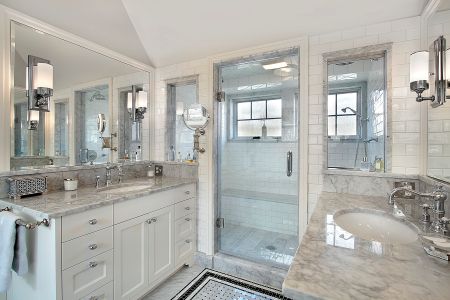
If you are mapping out a bathroom remodel in Charlotte, it pays to learn from what goes wrong most often. This guide walks you through the biggest pitfalls we see across South End, Ballantyne, Dilworth, and beyond, and how a pro solves them. If you are planning a full bathroom remodel, these tips will keep your project on track from day one.
Why Charlotte Homes Need a Different Bathroom Plan
Remodeling in Charlotte is shaped by humidity, quick weather swings, and neighborhoods with homes from many eras. Craftsman bungalows in Plaza Midwood and stately homes in Myers Park have quirks that newer builds in Steele Creek or University City do not.
Do not ignore ventilation in Charlotte’s humid summers. Moisture builds fast, which can lead to peeling paint, warped trim, and early grout failure. A quality fan placed correctly and ducted outdoors helps your finishes last longer and keeps mirrors from fogging every morning.
Bad Bathroom Layout Examples and Smarter Alternatives
Layout mistakes are the most expensive to fix after tile and plumbing are set. Here are patterns we see that cause daily frustration.
- Doors that swing into vanities or showers and block the path.
- Toilets crowded by tubs, leaving too little elbow room.
- Showers sized to code minimums that feel tight once glass and tile are installed.
- Vanities with drawers that crash into wall trim or the toilet seat.
Smarter alternatives include pocket or outswing doors, shifting plumbing a few inches for real comfort, and choosing a slightly smaller vanity that makes the room feel bigger. In many Charlotte floor plans, converting an unused alcove into a linen tower provides storage without crowding the walkway.
Always measure clearances for doors, drawers, and the toilet. A good plan shows swing arcs and walking paths so you get comfort you can feel, not just a drawing that looks nice.
Storage, Lighting, and Ventilation That Actually Works
Storage is more than a bigger vanity. Ask how you use the room. Do you need a tall cabinet for towels, shallow shelves for skincare, or a niche that keeps bottles off the shower floor? A narrow tower can fit between studs and free up counter space.
Lighting should be layered: overhead light for general brightness, vanity lights at face level to reduce shadows, and a night light setting for safety. Plan lighting in layers before you pick fixtures. This prevents glare on glossy tile and gives you control for early mornings or late nights.
Ventilation should match the room’s real world use. Long hot showers in a tight space trap steam. Duct fans to the outside, not an attic cavity, and place the intake near the shower where steam collects first.
When a Shower Upgrade Makes More Sense
Many older Charlotte bathrooms have tub-shower combos that feel cramped. If soaking is rare in your home, an updated shower remodel with a low curb, clear glass, and a simple bench can open the room and reduce slip risks. Larger format tile, corner niches, and a handheld spray add comfort without crowding the footprint.
Material Mix-Ups That Derail the Look
Too many patterns in a small space can feel busy. Pair one statement surface with quiet partners. For example, if you love a bold floor tile, keep the shower walls calm and let texture do the talking with matte finishes or a soft linen-look porcelain.
Mind sheen and undertones. Warm brass pairs best with warm whites and beiges. Cool chrome or black pops against cooler grays. Bringing samples into your home at night matters because most bathrooms rely on artificial light.
Overlooking Waterproofing and Substrate Prep
Great tile work starts under the surface. Showers need a continuous waterproofing system, properly sloped pans, and sealed seams before tile ever touches thinset. Skipping steps leads to leaks that can show up months later.
Get every selection in writing, including model numbers and finishes. Your tile, grout type, backer board, and waterproofing approach should be listed clearly so there are no surprises mid-project.
Contractor Red Flags and How to Choose With Confidence
Picking the right remodeling partner lowers stress and protects your investment. Start with clear communication and a transparent process. Consistent updates and a single point of contact help you know who to call when questions pop up.
- Ask for recent, local bath references in neighborhoods like NoDa, Matthews, or Huntersville.
- Review a sample schedule that shows milestones like demolition, rough-ins, tile, and punch list.
- Confirm who handles permits when they are required and who will be on site daily.
Beware of vague scopes, missing product specs, and unusually low bids. In our region, supply timing and weather can affect schedules. Builders who plan buffers keep your project moving even when a shipment is delayed.
Design Choices That Age Well in Charlotte Homes
Trends come and go. Classic choices save you from a second remodel too soon. Consider soft white or light wood vanities, brushed hardware that hides fingerprints, and tile sizes that are easy to find if you ever need to replace a piece.
Think ahead about accessibility for visiting parents or a future knee issue. A wider doorway, lever handles, and a slightly taller toilet make the room work for more people without feeling clinical.
Planning for Real-Life Morning Routines
Charlotte families often share a hall bath with tight schedules. Build in what your mornings demand. Double vanities need the right spacing so two people can get ready without bumping elbows. Two mirrors with task lights usually beat one large mirror with a single light bar.
Keep outlets where you actually use them and protect them from splash zones. A charging drawer can hide hair tools and keep cords from cluttering counters.
Scheduling Around Seasons and School Calendars
Materials can arrive slower around holidays and peak summer travel. Plan noisy demolition and tile cutting when it least disrupts your family. If you work from home, consider a temporary setup away from the bath to cut down on dust and sound.
Weather can influence drying and cure times. Your remodeler will adjust sequencing so adhesives, grout, and paint set properly even when humidity spikes.
Quality Checks Before You Call It Done
A strong finish prevents callbacks and stress. Walk the room with good light. Look for lippage in tile, caulk gaps, and clean, aligned grout joints. Doors and drawers should open fully without rubbing. Fixtures should feel tight and solid.
Turn on the fan and run the shower for a few minutes. Check for water escape at the curb and confirm the slope pushes water to the drain. Open and close every valve and test the GFCI outlets.
How to Keep Your Investment Looking New
Seal grout if the product you chose calls for it, and follow the cleaner your tile manufacturer recommends. Harsh products can dull finishes fast. Use soft squeegees on glass after showers to prevent spotting and soap film.
Set a simple schedule for filter changes in your exhaust fan if it has one, and replace any silicone that shows wear. Small habits keep your space fresh year after year.
Bringing It All Together for Your Charlotte Home
The right plan, the right team, and the right details make the difference between a bathroom that looks good on day one and one that feels great every day. If you want ideas tailored to your home, our designers can review your layout and selections and suggest comfortable clearances and durable materials.
Explore what is possible for your space and connect with our bathroom remodeling team at Charlotte Bath Remodeling. Call us at 704-923-9140 to schedule a visit or learn more about timelines for your neighborhood.
If you are just starting to gather inspiration, head to our home page through this quick link to bathroom remodel Charlotte for design ideas, service details, and recent local projects.
Let's Remodel Your Charlotte Bathroom Together! Contact Us Today!