Is a Tub-to-Shower Conversion Worth It for Older Charlotte Homes?
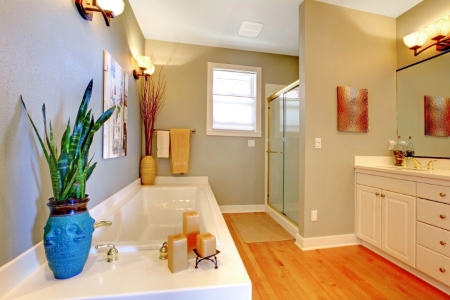
If you live in an older Charlotte home, you may be asking if a tub-to-shower conversion is the right move. For many homeowners, the answer is yes. A modern shower can open up a small bath, improve daily comfort, and make getting in and out safer. If you want a quick overview of the process, explore our tub to shower conversion service, then come back to see how it fits homes in neighborhoods like Dilworth, Plaza Midwood, NoDa, and Myers Park.
Search demand keeps growing for tub-to-shower conversion Charlotte, NC, and there is a good reason. Showers fit the way many Charlotte families live today. They save space in compact hall baths found in 1940s–1960s bungalows and split-levels, and they can be styled to match historic trim and tile patterns so the room still feels true to the home.
What Makes Older Charlotte Bathrooms Good Candidates
Many pre-1990 bathrooms around Charlotte were designed around a standard 60-inch alcove tub. That footprint converts neatly to a shower without major layout changes. Ceilings are often higher than you think, which helps steam escape when paired with the right fan. Floors may need reinforcing, but most projects stay within the original tub area, which helps keep the plan simple and clean.
Homes in areas like Wilmore, Elizabeth, and University City may have cast‑iron tubs that are heavy and hard to maintain. Replacing them can remove a source of stains and make the room feel brighter. With smart design, the conversion can highlight original details such as hex tile or beadboard while adding a fresh, water-tight shower system.
Pros And Cons To Weigh Before You Commit
- Space and flow: Showers feel roomier, especially with clear glass and a light tile palette.
- Daily comfort: Warm water, better spray coverage, and simple cleaning help your routine.
- Safety: Low thresholds and grab bars reduce step-over risks for kids, guests, and aging family.
- Design control: Tile, niches, and fixtures can echo your home’s era without feeling dated.
Possible tradeoffs include losing a soaking option and the need to tune water pressure if your home has older piping. If you plan to sell soon and your home will have zero tubs after the conversion, talk with your real estate pro about buyer expectations in your price point. Many Charlotte buyers prefer at least one tub in the home, often in the primary or a kids’ bath.
Design Choices That Respect Older Homes
Charlotte’s classic homes carry character, and your new shower should match that. Consider white or biscuit subway tile with a simple pencil liner to echo original styles. A frameless glass panel keeps sightlines open in tight rooms common in NoDa and Belmont. For floors, penny rounds or small hex tiles add grip and a timeless look.
Plan for safe entry with a low-threshold base. Pair it with a matte, slip-resistant surface that helps footing during humid summers. If you prefer tile underfoot, ask about a slight slope to the drain with small-format mosaics to keep traction in wet zones.
Built-in storage keeps the room tidy. Recessed niches between studs avoid bulky shelves, and a shallow corner bench works well when space is tight. Choose classic metal finishes like polished nickel or brushed brass to blend with older door hardware without feeling mismatched.
Charlotte Climate: Ventilation And Moisture Control
Our warm, humid summers can trap moisture in older baths. Ventilation is not optional in humid Charlotte summers. An upgraded, quiet fan vented outdoors protects trim, paint, and the framing behind tile. Glass choices help too. Clear tempered glass brightens a small hall bath, while a single fixed panel reduces hardware in rooms with tight clearances.
Sealants and grout selection also matter. Epoxy or stain-resistant grout reduces maintenance and holds color better. Proper waterproofing behind the tile, not just on the surface, is the true moisture defense in a conversion. A good crew will explain how the wall system sheds water into the pan and out the drain.
Accessibility And Aging In Place
Many homeowners in South End and Ballantyne plan to stay in their homes for years. A shower can make that easier. A 60-inch shower allows for well-placed grab bars and a wider opening for safer entry. Choose slip-resistant flooring and sturdy grab bars. Lever handles and handheld showerheads with slide bars offer flexible height for everyone in the household.
Threshold height is key. Ask about bases with minimal curb height to reduce tripping. Glass choices can shift as needs change. A wide opening with a single panel now can become a fully enclosed door later if you want more warmth in winter.
What To Expect During The Conversion
A typical project removes the tub, checks the subfloor, updates valves, installs the shower pan or base, waterproofs the walls, then tiles and trims. Timelines vary by home condition and material choices. Homes with prior leaks or patch repairs may need extra framing work before tile goes up. Professional crews will cover walk paths, protect floors, and keep dust contained as much as possible.
Measure your clearances before choosing a swinging door. Tight hallways and small bathrooms in older homes can make sliders or fixed panels a smarter pick. Your team should verify rough-in plumbing locations so valves and heads line up comfortably and look symmetrical with your tile pattern.
Local insight: In Charlotte’s humid season, run the bath fan during your shower and for at least 20 minutes after. This simple habit, paired with a quality exhaust fan, helps preserve grout color and keeps mildew from taking hold.
Style Decisions That Keep Cleaning Simple
Older baths can be charming, but nobody loves scrubbing. Large-format wall tiles reduce grout lines, while quartz trims around niches and curbs resist staining. Frameless glass has fewer places for minerals to build up. A handheld sprayer makes it easy to rinse the walls after use, which helps your shower look new longer.
- Stick with light-to-mid grout tones to hide everyday water marks.
- Use a single metal finish across fixtures for a tidy, intentional look.
- Keep niche shelves shallow so items do not crowd the spray path.
When A Tub Still Makes Sense
Families with small children or homes marketed toward that audience may want to keep one tub somewhere in the house. If your primary bathroom is becoming a shower, think about leaving a tub in a secondary bath. In historic districts where you value period charm, a refurbished clawfoot or apron-front tub can be a showpiece while another bath becomes your daily-use shower.
Water Pressure, Plumbing, And Older Materials
Many vintage Charlotte homes use older water lines and valves. During a conversion, it is a good time to upgrade the shower valve and supply lines in the wall for better pressure and temperature control. If your home still has legacy materials behind the tub area, a professional will recommend the right approach to bring the wet zone up to today’s performance standards.
How To Protect Character While Upgrading
Keep the trim profiles, mirror shapes, and light fixtures in step with the era of your home. That way the new shower looks like it belongs. A simple inset cabinet door, a classic sconce, and a neutral palette let the tile do the talking. If you love color, use it in towels and art so you can update trends without touching the tile.
Picking The Right Charlotte Team
Look for a bathroom remodeling partner who listens first, shows tile and base options that fit your space, and explains their waterproofing system. Check photos of hall-bath conversions in homes like yours. Ask how they protect floors and how they schedule work to keep your household running. You can also review broader bathroom remodeling services to see how a company handles full renovations versus focused conversions.
Want more planning ideas before you start? Browse our local remodeling tips for layout, storage, and style inspiration that pair well with a new shower.
Is It Worth It For Older Charlotte Homes?
For many homeowners around Charlotte, the answer is yes. A conversion can make a small bath feel modern and safe without stripping away the home’s charm. It simplifies cleaning, opens visual space, and supports aging in place. When done with care, it also respects original details so the bathroom looks right with the rest of the house.
Ready to see how a conversion would work in your exact layout? Start with our tub to shower conversion overview and imagine how a brighter, safer shower could transform your daily routine.
Next Steps For Homeowners In Charlotte, NC
Here is a simple way to decide:
Choose slip-resistant flooring and sturdy grab bars. If you value easy entry, faster cleaning, and a classic style that fits your home’s era, a shower likely wins. If you still want a place to soak, keep a tub in another bathroom and convert the one you use the most.
When you are ready, talk with Charlotte Bath Remodeling. Our team brings respectful craftsmanship to older homes across Charlotte. Call us at 704-923-9140 to discuss your goals, or learn how a tub-to-shower conversion Charlotte, NC project can fit your home and routine.
Let's Remodel Your Charlotte Bathroom Together! Contact Us Today!